
The Unfinished Ethical Test in The Princess Casamassima
The Parallax ViewThis thread traces the novel’s unresolved conflict between revolutionary dispossession and inherited high culture.
increasing Bearing strength in each event
 decreasing
Bearing strength in each eventdecreasingA Novelistic Experiment
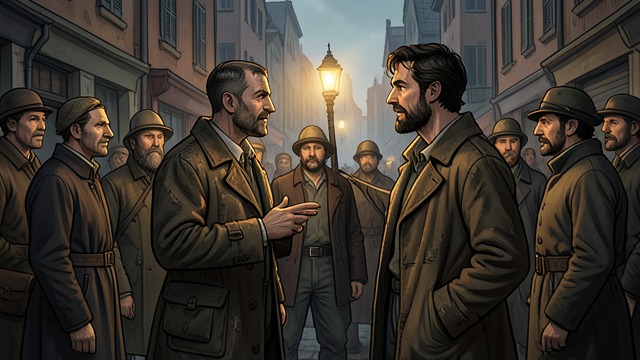
James Approaches Radical Politics
An unfamiliar subject
James turns to anarchists and poor London residents, material he does not know from within. The novel becomes an experiment in imaginative reach.
Sympathy without mastery
Its attention to suffering is sincere, but description alone cannot provide full access to a collective movement. The limitation shapes the book’s politics.
Radicals as Individuals
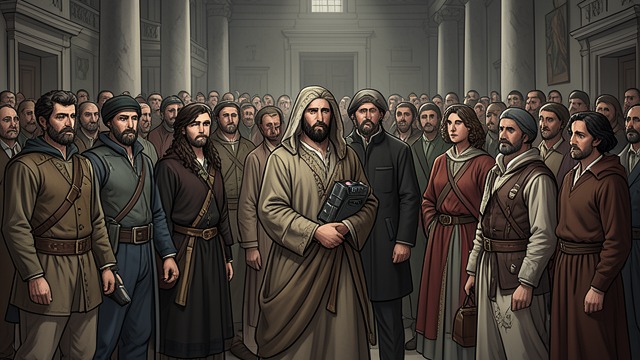
Parts Without a Whole
Distinct revolutionary figures
The novel offers vivid individual portraits of radicals, each marked by different temperaments and commitments. Their presence makes the revolutionary milieu tangible.
The missing collective
The movement itself remains difficult to represent. A sum of individual portraits does not become a political whole.
The Cultural Inheritance

Beauty and Injustice
A contested heritage
Hyacinth is drawn toward both the rights of the dispossessed and the achievements of high culture. Each claim appears morally serious and historically compromised.
No comfortable refuge
The novel refuses an easy conservative defense of cultural treasures or an easy revolutionary dismissal of them. Its conflict remains active.
The Failed Decision
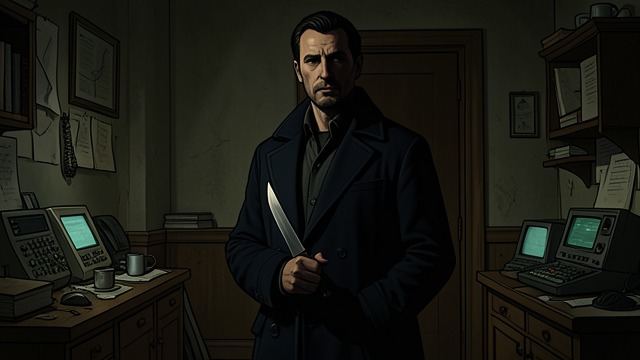
Hyacinth’s Impasse
Two obligations collide
Hyacinth cannot reconcile the social rights of the poor with the beauty of the world he admires. His capacity to see both sides blocks decisive action.
Failure becomes a statement
His self-destruction stands as the only available symbolic act. The deadlock is neither solved nor made harmless by his death.
Art After Withdrawal
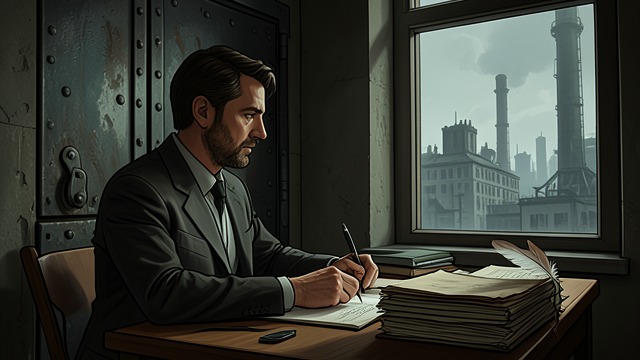
James Makes a Form of Failure
A contrast with the hero
James can transform inability to act into writing, while Hyacinth cannot create a comparable form. Artistic work records rather than erases the impasse.
Political relevance
The novel’s unresolved ending keeps opposed social claims visible. Its failure of synthesis is itself a form of historical knowledge.
The Princess Casamassima’s opening movement
Middle of the novel
Late in the novel
Near the ending
Chapter 1, retrospective discussion
